Conferences
International Relations and Scientific Conferences
Since its opening, the institution has attracted the attention of scientists from around the world and the CIS, hosting several prestigious international scientific events:
- 1984: The first international congress was held with the participation of 100 specialists from the 27th International Geological Congress.
- 1986: A meeting of the 11th school of Soviet corallists took place.
- 1987: All-Union scientific readings on "Traces of ancient life in Central Asia" were held, alongside meetings dedicated to conodonts and paleobiology.
- 1988–1989: Leading scientists, professors, and paleontologists from Germany, England, Estonia, and other countries visited the area to conduct research.
- 2019 and 2021: International geotourism forums were organized in cooperation with UNESCO to explore the prospects of developing geotourism in the Kitab, Shakhrisabz, and Chirakchi districts of the Kashkadarya Region.
International IGCP735 Field Conference at Kitab Geological National Nature Park
In August 2026, the international “IGCP735 Field Conference” was held at the Kitab Geological National Nature Park. The conference focused on current issues in the study of Ordovician deposits, stratigraphy, and paleontology. The event marked an important step in strengthening international scientific cooperation in the geological sciences and continued long-term research into Ordovician sections in Central Asia.
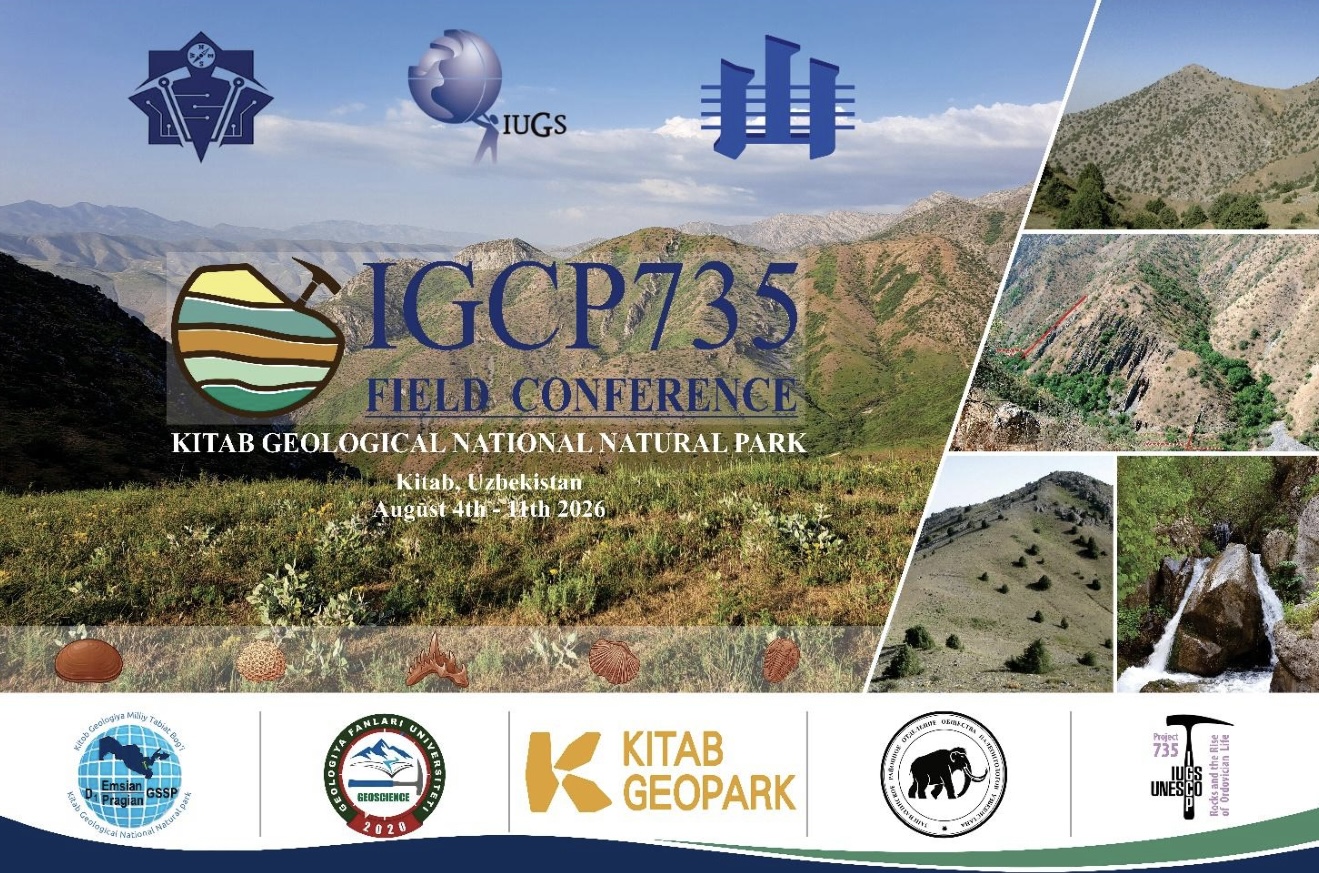
The conference was organized following an initiative of the Ordovician Subcommission of the International Union of Geological Sciences (IUGS) to hold the IGCP735 project event at Kitab Geological National Nature Park, with the support of the Ministry of Mining and Geology of the Republic of Uzbekistan.
Kitab Geological National Nature Park is of particular scientific interest to specialists in geology, stratigraphy, and paleontology. The territory contains well-exposed geological sections that preserve valuable information about the history of the Earth and ancient biological communities. The study of these sections is of both regional and international scientific importance.
The main objective of the conference was to discuss current issues in Ordovician stratigraphy and paleontology, compare geological sections from different regions, study fossil remains of ancient organisms, and analyze geological processes that took place during the Ordovician Period. Particular attention was given to the correlation of stratigraphic units, geological boundaries, paleontological discoveries, and their significance for reconstructing ancient paleogeographic and paleoecological conditions.
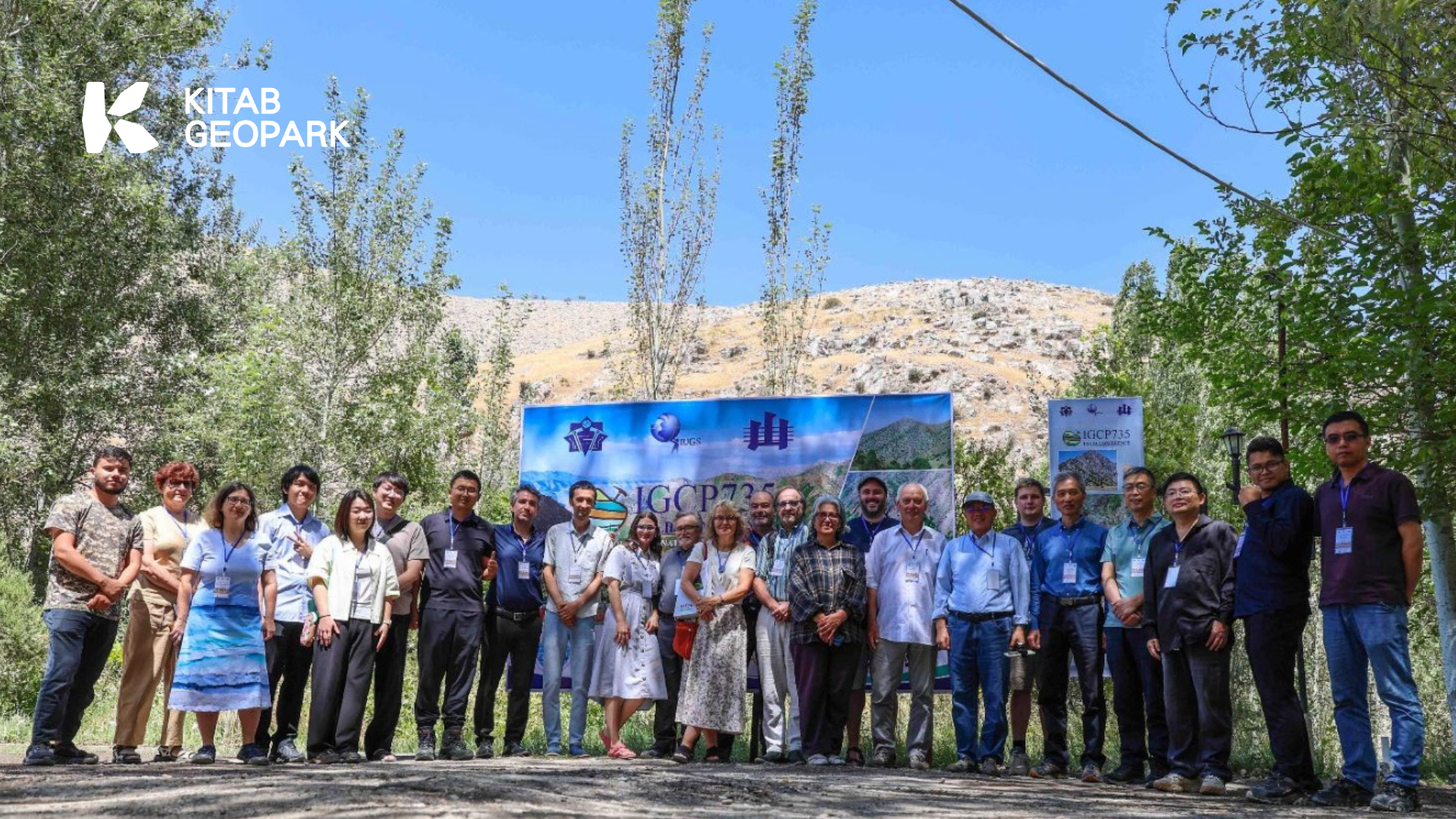
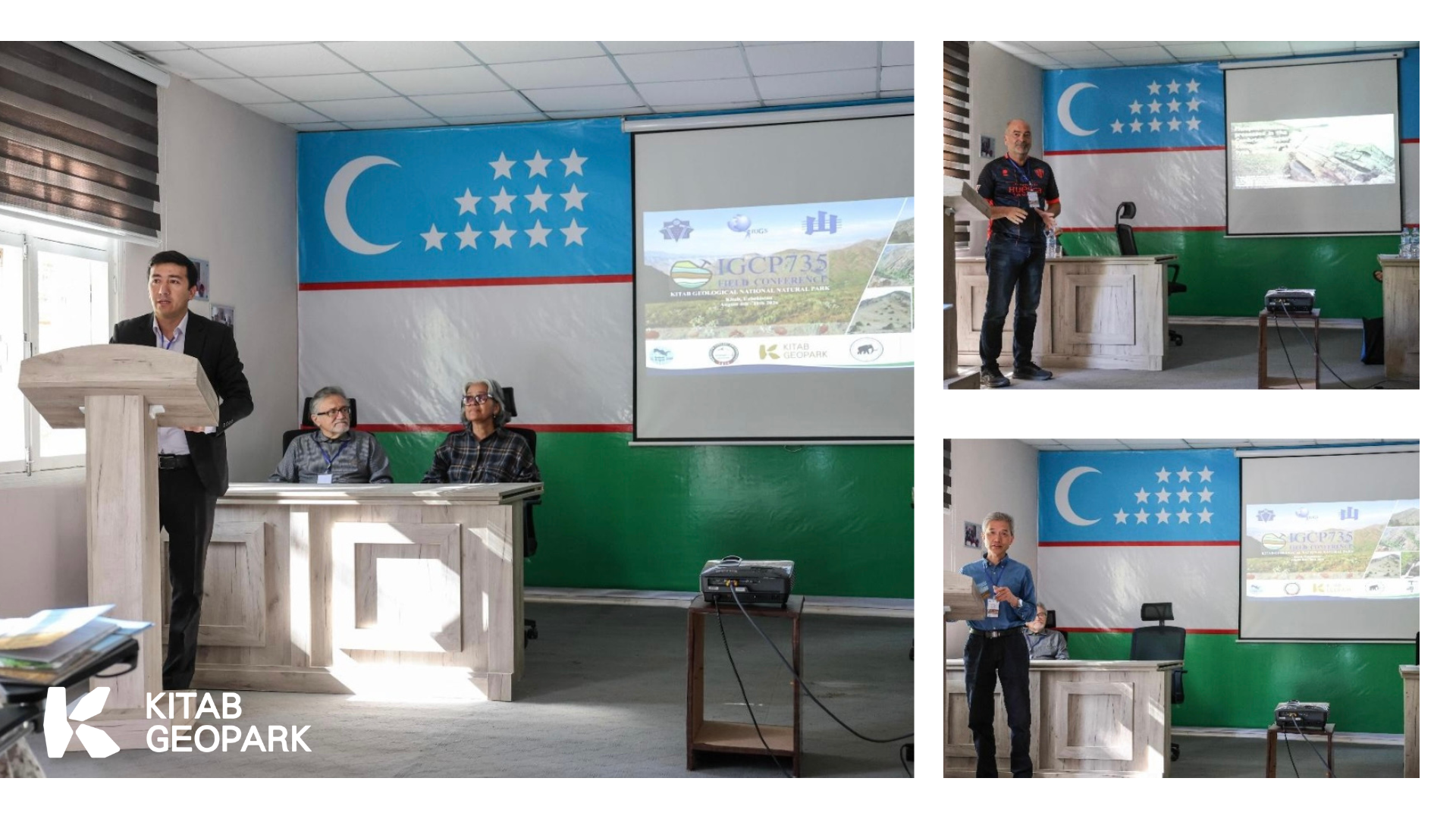
The conference brought together 24 international specialists and young researchers from 10 countries, including professors, doctoral researchers, and other members of the scientific community. Participants included scientists from Uzbekistan, Canada, the United Kingdom, the Czech Republic, Spain, Portugal, Russia, Iran, China, Malaysia, and the Republic of Korea. Specialists from the stratigraphic team of the Regional Geology State Unitary Enterprise also took part in the conference.
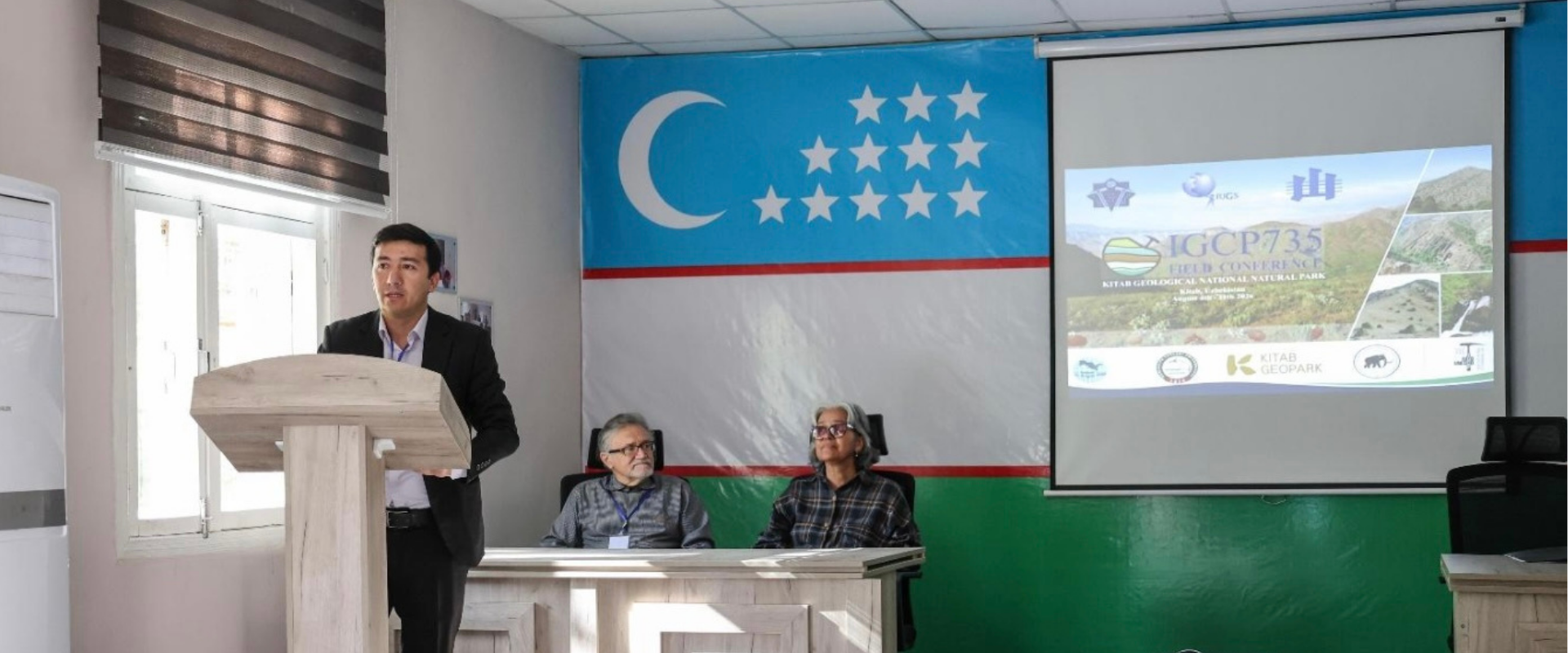
The official programme opened with a welcoming address by N. Abdiyev, Director of Kitab Geological National Nature Park. In his speech, he highlighted the importance of international scientific cooperation in further studying Uzbekistan’s geological heritage and emphasized the prospects for developing the scientific and geotourism potential of Kitab Geological National Nature Park.
The conference featured scientific presentations by Uzbek and international specialists. Among the participants were Dr. Leonid Evgenievich Popov from the Department of Natural Sciences of the National Museum Wales; Professor Zhan Renbin from the Nanjing Institute of Geology and Palaeontology, Chinese Academy of Sciences; Dr. Andrei Alekseevich Krutykh from the Borissiak Paleontological Institute of the Russian Academy of Sciences; University of Saskatchewan researchers Luis Alberto Buatois and Maria Gabriela Mangano; Sofia Raquel Cardoso Pereira from the University of Coimbra; Dr. Juwan Jeon from the Republic of Korea; Dr. Jana Bruthansova from the National Museum in Prague; and Dr. Jose Javier Alvaro Blasco from the Institute of Earth Sciences in Spain.
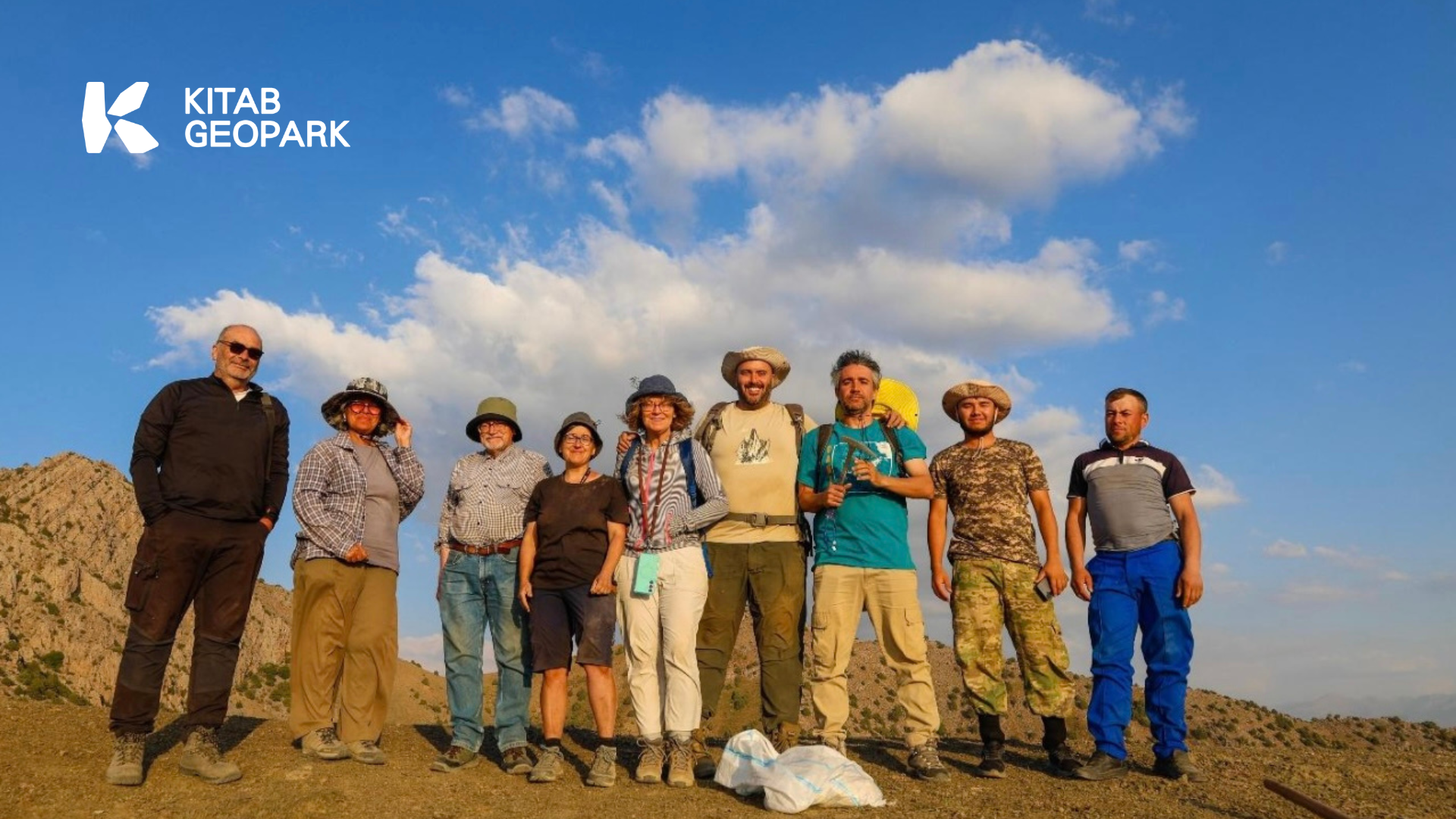
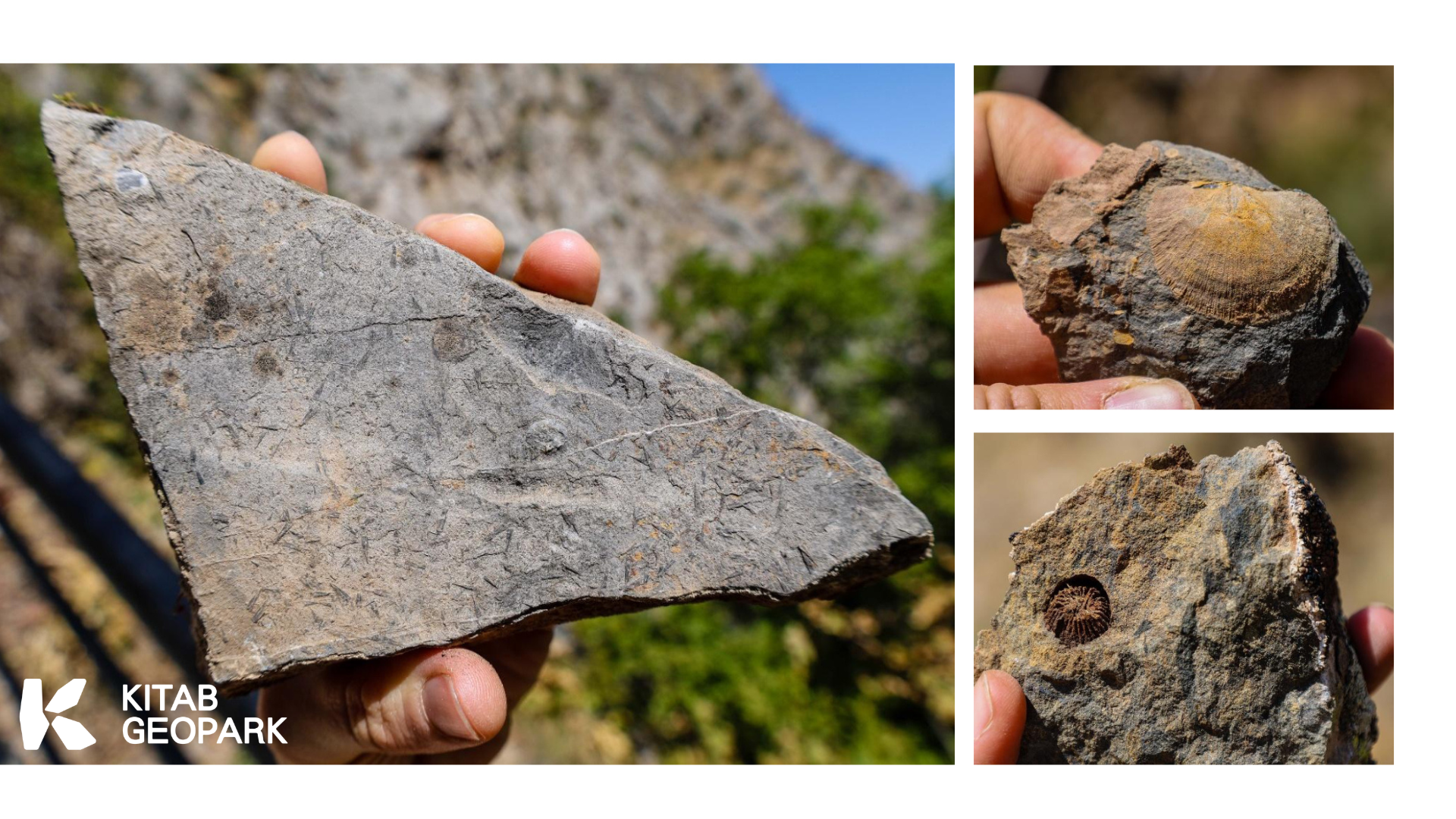
The scientific program was continued directly in the field. The conference participants, together with Uzbek specialists, conducted studies of the Shahrioman-1, Shahrioman-2, Shahrioman-3 and Novobak sections, as well as visited the international reference section Zinzilban. The field studies allowed the specialists to directly examine the lithological characteristics of the rocks, the stratigraphic sequence of the deposits, and the paleontological remains contained within them.
The Ordovician deposits of the Shahrioman section and the fossil remains of ancient organisms contained within them were of particular interest to the foreign researchers.
The materials identified are of scientific interest for further study and comparison with similar findings from other regions of the world. Some of the samples were selected for laboratory research at foreign scientific institutions.
Field studies enabled participants to exchange research results and discuss issues of stratigraphic correlation directly at the sites under study. This contributed to a more accurate comparison of geological sequences and the development of international scientific cooperation.
Following the conference, agreements were reached to continue joint research, conduct laboratory studies, prepare scientific publications, and organize further field research.
The IGCP735 Field Conference was an important event for the study of the Ordovician geology of Uzbekistan. International participation contributed to expanding scientific cooperation and drawing attention to the unique geological sites of the Kitab Geological National Nature Park.
The materials obtained and the agreements reached provide a basis for further research, international cooperation in paleontology and stratigraphy, as well as increasing the international recognition of Uzbekistan’s geological heritage and developing scientific geotourism.